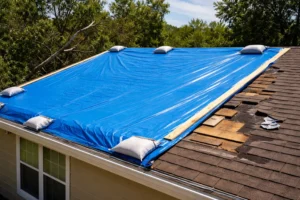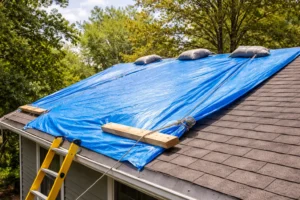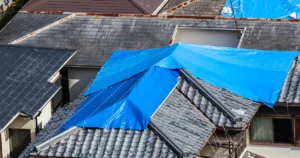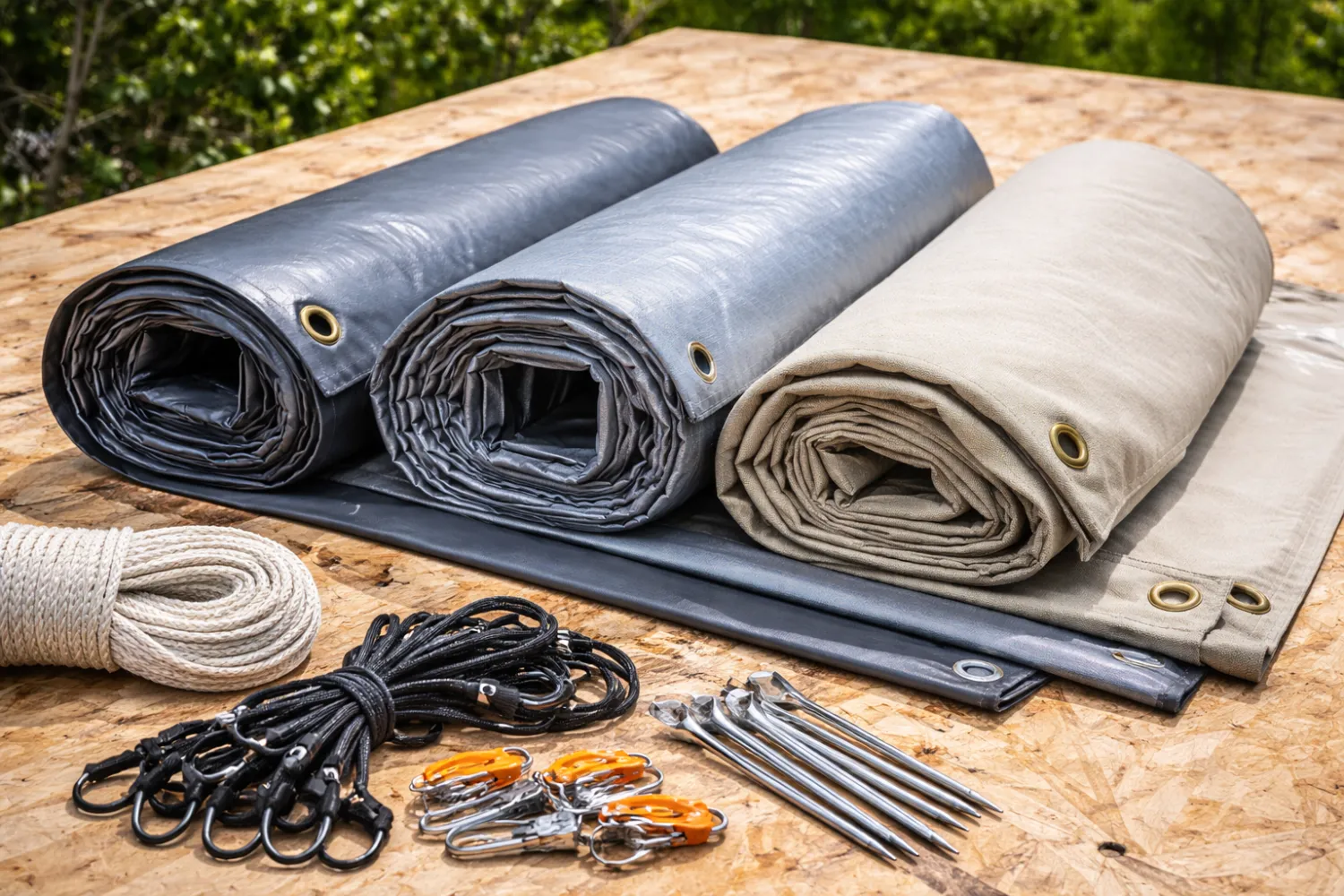
When roof damage occurs, time becomes the most valuable resource. Water intrusion does not wait for insurance approvals, contractor schedules, or material availability. In many cases, a roof tarp becomes the first and most critical line of defense between a damaged structure and escalating interior damage.
However, not all tarps are built for extended roof protection. A tarp that works for a single overnight storm can fail quickly when exposed to repeated rain, wind uplift, ultraviolet radiation, and temperature changes over several weeks or months. Choosing the wrong tarp material often leads to tearing, grommet failure, water infiltration, and repeated reinstallation turning a temporary solution into an ongoing problem.
This guide explains the best tarp materials for extended roof protection, how each material performs over time, and what factors matter most when the goal is durability rather than short-term coverage.
What Extended Roof Protection Really Requires
Extended roof protection is not the same as emergency overnight tarping. When a tarp is expected to remain in place beyond a few days, it must withstand cumulative stress rather than a single weather event.
Extended protection typically involves:
- Repeated exposure to wind-driven rain
- Continuous UV radiation from direct sunlight
- Flapping stress caused by gusts and pressure changes
- Abrasion against shingles, metal edges, or parapets
- Tension at tie-down points for long durations
- Possible foot traffic during inspections or temporary repairs
According to the Federal Emergency Management Agency (FEMA), temporary roof coverings are often used after storm events to prevent additional water damage until permanent repairs can be made, but their effectiveness depends heavily on proper materials and installation.
The most common tarp failures do not happen in the middle of the sheet. They occur at edges, seams, corners, and grommets, where stress concentrates. For this reason, tarp material must be evaluated alongside reinforcement, weight, and flexibility.
Why Tarp Material Choice Matters More Over Time
Short-term tarping often relies on availability rather than performance. For extended roof protection, material selection determines whether the tarp continues functioning or becomes a liability.
Over time, inferior materials tend to fail in predictable ways:
- UV exposure dries out plastics, causing brittleness
- Thin materials stretch under tension and deform
- Lightweight tarps flap excessively, accelerating fatigue
- Weak hems tear away from grommets
- Seams separate as water pressure and wind increase
Extended coverage demands materials that resist degradation, not just initial penetration.
Vinyl (PVC) Tarps: The Most Durable Option for Extended Roof Protection
Vinyl tarps, often referred to as PVC tarps, are widely regarded as the most reliable choice for long-term roof coverage. They are constructed using a reinforced polyester scrim encapsulated in polyvinyl chloride, creating a material that combines flexibility with structural strength.
Polyvinyl chloride is valued in outdoor applications because of its durability, resistance to moisture, and ability to maintain flexibility under stress, characteristics that are well documented in material science references.
Why Vinyl Performs So Well Over Time
Vinyl’s internal scrim prevents tears from spreading. Even when punctured, the reinforcement limits damage expansion. The PVC coating resists moisture absorption and provides superior resistance to UV radiation compared to most polyethylene tarps.
Because vinyl tarps are heavier, they naturally resist wind uplift better than lightweight alternatives. Reduced flapping significantly extends service life when exposed to repeated weather events.
Strengths of Vinyl Tarps for Roof Protection
- Excellent resistance to tearing and punctures
- Strong UV stability when manufactured for outdoor use
- Reduced wind movement due to weight
- High abrasion resistance along roof edges
- Heat-welded seams on many models
- Suitable for repeated reuse on multiple jobs
Considerations When Using Vinyl Tarps
Vinyl tarps are heavier than poly tarps, which can make installation more challenging on steep or high roofs. They also cost more upfront, though the longevity often offsets the initial expense when compared to repeated replacement of lighter materials.
For extended roof protection measured in weeks or months, vinyl remains the most consistent performer.
Heavy-Duty Polyethylene Tarps: A Viable Extended Option When Properly Selected
Polyethylene tarps are the most common tarp material, but quality varies dramatically. Many failures attributed to “poly tarps” are actually caused by using thin, consumer-grade versions not designed for prolonged exposure.
When properly manufactured, heavy-duty UV-treated poly tarps can provide reliable extended roof protection, particularly when budget constraints are a concern.
What Separates Heavy-Duty Poly from Standard Poly
Extended-use poly tarps typically include:
- Higher weave density in the polyethylene fabric
- Thicker laminated coatings
- UV inhibitors added during production
- Reinforced hems and corner patches
- Stronger grommet systems
Without these features, poly tarps degrade quickly in sunlight and tear at stress points.
Performance Characteristics of Quality Poly Tarps
High-quality poly tarps are lightweight and easier to handle during installation. When tightly secured and properly sized, they can remain effective for multiple weeks, especially in moderate climates.
However, poly tarps are more susceptible to UV degradation over time than vinyl. Prolonged sun exposure can cause the material to become brittle, increasing the risk of cracking and tearing.
Canvas Tarps: Limited Suitability for Extended Roof Coverage
Canvas tarps are sometimes considered for roof protection due to their strength and abrasion resistance. However, canvas presents significant limitations when exposed to ongoing moisture.
Canvas is a woven fabric that relies on treatment for water resistance. Even treated canvas can absorb moisture over time, leading to increased weight, sagging, and potential seepage.
Drawbacks of Canvas for Roof Applications
- Not fully waterproof under prolonged rain
- Retains moisture once saturated
- Can promote mildew growth
- Becomes heavy when wet
- Slower drying between rain events
Canvas tarps may be appropriate for short-term protective covers where breathability is needed, but they are generally unsuitable for extended roof protection where waterproofing is the primary concern.
How Roof Type Influences Material Choice
Asphalt Shingle Roofs
Asphalt shingles create abrasive contact points, particularly along ridges and valleys. Vinyl performs exceptionally well here, while heavy-duty poly can work when padding is added at contact zones.
Metal Roofs
Metal edges and fasteners can cut into tarps over time. Vinyl’s abrasion resistance offers an advantage, though poly tarps can still perform with proper protection.
Flat and Low-Slope Roofs
Extended exposure and water pooling increase stress on seams. Vinyl is generally preferred due to seam strength and reduced stretching under load.
Tile Roofs
Tile edges are sharp and uneven. Durable materials combined with padding at contact points are essential. Vinyl’s toughness helps reduce failure risk.
Construction Features That Extend Tarp Life
Material choice alone does not determine longevity. Construction quality plays an equally important role.
- Reinforced edges to handle sustained tension
- Seam construction that resists separation under water load
- Grommet spacing and reinforcement to distribute stress
- Overall tarp weight to minimize wind movement
Extended roof protection relies on all of these elements working together.
Installation Practices That Protect the Material
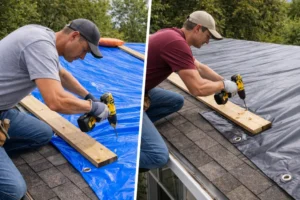
Even the best tarp material can fail if installed poorly.
- Keep the tarp tight to minimize flapping
- Distribute tension across multiple tie-down points
- Avoid over-tightening single corners
- Pad sharp edges and roof transitions
- Ensure water sheds off the roof rather than pooling
- Inspect periodically after storms and retension as needed
Installation technique often determines whether a tarp lasts days or months.
Cost vs Longevity: Choosing the Right Investment
Vinyl tarps cost more initially but often last significantly longer and can be reused. Heavy-duty poly tarps cost less but may require replacement sooner, depending on conditions.
For homeowners facing extended repair timelines, vinyl often provides peace of mind. For contractors managing multiple jobs, vinyl’s reusability can lower long-term costs.
Final Thoughts on the Best Tarp Material for Extended Roof Protection
Extended roof protection demands more than temporary coverage. It requires materials that withstand cumulative exposure to weather, tension, and time. Vinyl tarps consistently deliver the highest durability for long-term use, while premium UV-treated poly tarps provide a practical alternative when properly selected and installed. Canvas and lightweight tarps generally fall short when prolonged waterproofing is required.
Ultimately, the best tarp material is one that balances durability, installation practicality, and expected duration. When chosen carefully and installed correctly, the right tarp can protect a roof reliably until permanent repairs are completed.
FAQs
What is the best tarp material for long-term roof protection?
Vinyl (PVC) tarps are generally the best option because they resist UV exposure, tearing, and wind stress better than most alternatives.
Can a polyethylene tarp protect a roof for several weeks?
Yes, a heavy-duty, UV-treated polyethylene tarp can last several weeks if it is properly installed and tightly secured.
Why do roof tarps usually fail at the edges?
Edges and grommets carry the most tension, and repeated wind movement causes stress that leads to tearing or pull-out.
Are blue tarps suitable for extended roof protection?
Standard blue tarps are typically designed for short-term use and may degrade quickly under prolonged sun and wind exposure.
Is vinyl tarp worth the higher cost?
For extended protection, vinyl is often worth the cost because it lasts longer and reduces the risk of repeat failures and water damage.
How long can a roof tarp safely stay in place?
Depending on material, weather, and installation quality, a tarp may last anywhere from a few weeks to several months.
Does tarp thickness matter for roof protection?
Thickness helps, but reinforcement, seam quality, and UV resistance are just as important as overall material thickness.
What roof types benefit most from vinyl tarps?
Flat roofs, low-slope roofs, and roofs in high-wind areas benefit most from vinyl’s durability and weight.
Can tarps be reused after extended roof coverage?
Vinyl tarps are often reusable, while poly tarps may degrade and lose strength after long-term exposure.
What installation mistake shortens tarp lifespan the most?
Loose installation that allows flapping is the most common cause of premature tarp failure.